
Advanced Cancer Surgery (Keyhole)
Uro-Oncology Laparoscopy is a modern minimally invasive (keyhole) surgical approach used to treat cancers of the urinary system such as kidney tumors, prostate cancer, and other selected urological cancers. Instead of a large open incision, the surgery is performed using small ports and a camera, which helps in precise removal of the tumor with faster recovery.
Keyhole surgery with small cuts
Less pain & less blood loss
Faster recovery vs open surgery
Precise tumor removal with camera vision
Laparoscopic cancer surgery is recommended when imaging and tests confirm a tumor that requires surgical removal. The decision depends on tumor size, location, stage, and overall patient health.
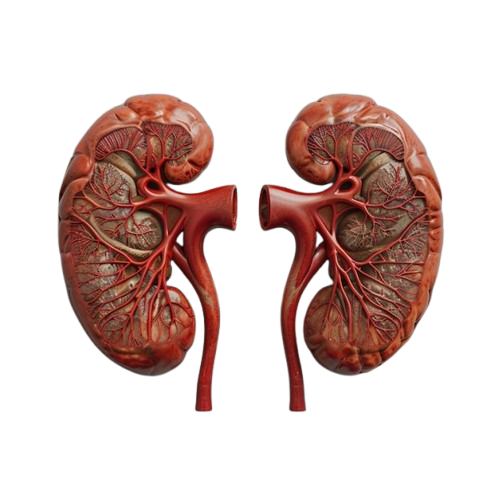
Laparoscopic partial or radical nephrectomy for kidney mass removal.
Selected cases may require laparoscopic prostate surgery as per staging.
Persistent hematuria may require evaluation for kidney or bladder tumors.
Ultrasound/CT/MRI findings help plan surgery and approach.
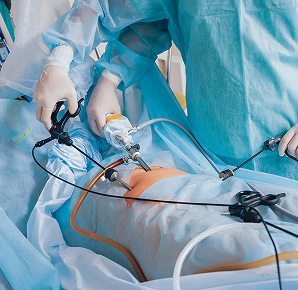
Laparoscopic uro-oncology surgery is performed under anesthesia. Small ports are made to insert the camera and instruments. The tumor or affected organ is removed safely with minimal tissue damage.
Step 01
3–4 small cuts are made to insert laparoscopic instruments safely.
Step 02
High-definition camera provides magnified view for precision surgery.
Step 03
Tumor is removed safely while preserving healthy tissues when possible.
Step 04
Small wounds heal faster, allowing early mobilization and discharge.
Laparoscopic surgery offers effective cancer removal with faster recovery and minimal scarring.
Smaller scars and better cosmetic results
Less blood loss and reduced pain
Short hospital stay and early recovery
High precision due to magnified vision
Most patients recover faster and may require shorter hospital stay than open surgery.
Patients can start walking early which helps in faster recovery.
Regular follow-up and reports guide further cancer management if needed.
Yes, in selected cases it is safe and effective. The best approach depends on tumor type, stage and patient condition.
It depends on biopsy and staging reports. Your doctor will guide the next steps after surgery.
