
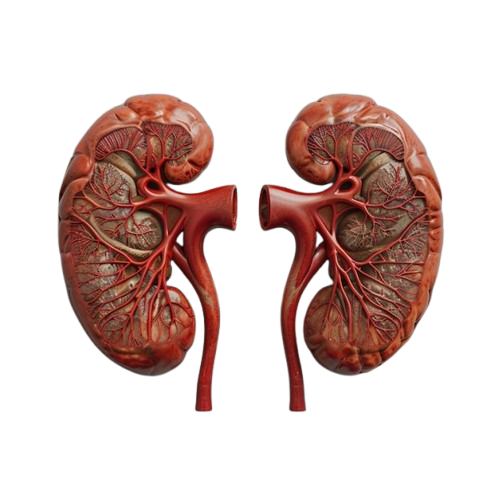
Advanced UTI Care & Treatment
A Urinary Tract Infection (UTI) is an infection in any part of the urinary system such as the bladder, urethra, ureters, or kidneys. UTIs commonly cause burning urination, frequent urge to pass urine, and lower abdominal discomfort. With timely diagnosis and proper treatment, UTIs can be cured safely and recurrence can be prevented.
Quick symptom relief with proper medicines
Accurate diagnosis with urine tests
Prevents kidney infection if treated early
Recurrence prevention with lifestyle guidance
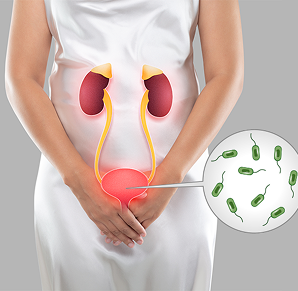
UTI symptoms can worsen quickly if ignored. Medical consultation is important if symptoms persist, if there is fever, or if UTI occurs repeatedly. Early treatment helps prevent complications like kidney infection (pyelonephritis).
Pain or burning sensation while passing urine is one of the most common UTI symptoms.
Feeling the need to urinate frequently, even when only small amounts pass.
Urine may appear cloudy or have a strong smell due to infection and pus cells.
Pain or heaviness in lower abdomen may occur due to bladder infection.
UTI treatment depends on the severity and whether the infection is limited to the bladder or has reached the kidneys. Diagnosis is done using urine tests and sometimes imaging if UTIs are recurrent. Antibiotics, hydration, and supportive medicines help cure the infection safely.
Step 01
Urine routine and microscopy helps detect infection and pus cells.
Step 02
Culture test identifies bacteria and selects the most effective antibiotic.
Step 03
Antibiotics and supportive medicines reduce infection and burning symptoms.
Step 04
Lifestyle changes and follow-up help prevent recurrent UTIs.
Treating UTI early helps avoid complications and provides quick relief from uncomfortable symptoms.
Relieves burning and frequent urination
Prevents kidney infection and fever complications
Reduces recurrence with proper evaluation
Safe & effective recovery with correct antibiotics
Adequate hydration helps flush bacteria and supports faster recovery.
Passing urine on time reduces bacterial growth and helps prevent recurrence.
Completing the prescribed course reduces chances of relapse and resistance.
Mild cases may improve with hydration, but most UTIs need antibiotics to prevent complications. It is best to consult a doctor for proper treatment.
Recurrent UTIs may occur due to incomplete treatment, poor hydration, diabetes, stones, prostate issues, or improper hygiene. Proper evaluation helps prevent recurrence.
