
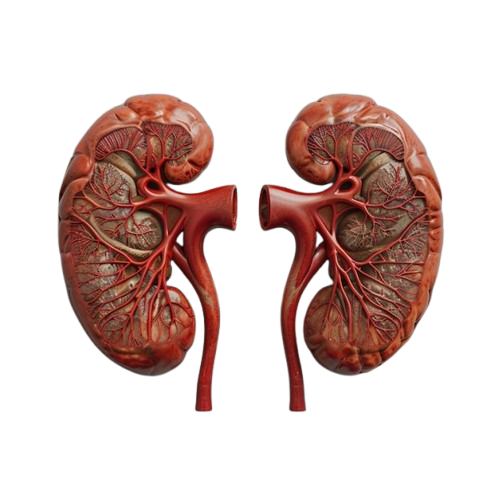
Advanced Kidney Diagnosis
A Kidney Biopsy is a diagnostic procedure in which a small sample of kidney tissue is taken and examined under a microscope to identify the exact cause of kidney disease. It helps in diagnosing conditions like glomerulonephritis, proteinuria, nephrotic syndrome, unexplained kidney function decline, and more. A biopsy guides the right treatment plan and improves long-term outcomes.
Accurate diagnosis of kidney disorders
Guides treatment and medication plan
Minimally invasive procedure under imaging
Safe recovery with short observation
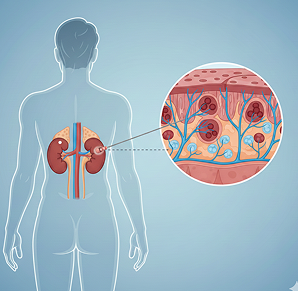
Kidney biopsy is advised when blood tests, urine reports, or imaging suggest kidney disease, but the exact cause is unclear. It helps identify the type and severity of kidney damage so that treatment can be planned accurately.
Persistent proteinuria or nephrotic syndrome requiring confirmation of diagnosis.
Unexplained hematuria with suspected kidney inflammation or glomerular disease.
Sudden or unexplained decline in kidney function requiring further evaluation.
Suspected lupus nephritis or vasculitis needing tissue diagnosis for treatment planning.
Kidney biopsy is usually performed under ultrasound guidance. After local anesthesia, a special needle is used to take a tiny kidney tissue sample. The sample is sent for microscopic examination to confirm the diagnosis and guide treatment.
Step 01
Blood pressure, blood tests, and clotting profile are checked for safety.
Step 02
Ultrasound helps locate the kidney and ensures accurate needle placement.
Step 03
A tiny tissue sample is collected using a biopsy needle under local anesthesia.
Step 04
Patient is monitored for a few hours and advised rest to avoid bleeding risk.
Kidney biopsy provides the most reliable diagnosis for many kidney diseases and helps in planning the most effective treatment.
Confirms exact kidney disease type
Guides medication like steroids or immunotherapy
Helps predict prognosis and disease severity
Prevents wrong treatment and delays in care
Rest is advised for 24 hours to reduce risk of bleeding and discomfort.
Mild blood in urine may occur temporarily; persistent bleeding should be reported.
Avoid heavy lifting, gym, or strenuous work for a few days as advised by the doctor.
It is usually done under local anesthesia. You may feel mild pressure, but severe pain is uncommon.
Yes, kidney biopsy is generally safe when performed under imaging guidance with proper monitoring. Minor bleeding can occur, and rare complications are managed promptly.
