
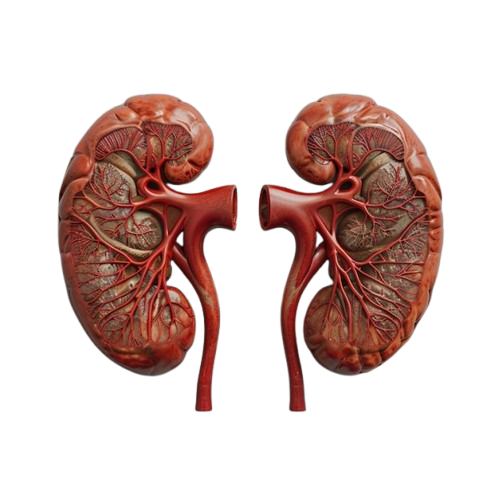
Advanced Kidney Care Support
Dialysis is a life-saving treatment used when the kidneys are not able to filter waste and excess fluid from the body effectively. It helps maintain a healthy balance of electrolytes, removes toxins, and supports patients with chronic kidney disease (CKD) or kidney failure. Dialysis can be done as Hemodialysis or Peritoneal Dialysis based on medical need.
Safe & monitored dialysis sessions
Improves symptoms like swelling & fatigue
Supports kidney failure & CKD patients
Improves quality of life with proper care
Dialysis is recommended when kidneys fail to remove waste and extra fluid from the body. It may be needed in advanced CKD, sudden kidney failure, or severe electrolyte imbalance. Early evaluation and regular follow-up help manage kidney health effectively.
Swelling in legs, feet, or face due to fluid retention when kidneys stop working properly.
Constant tiredness, low energy, and reduced appetite caused by toxin buildup in blood.
Blood reports show rising creatinine and urea indicating poor kidney filtration.
Low urine output or difficulty passing urine due to worsening kidney function.
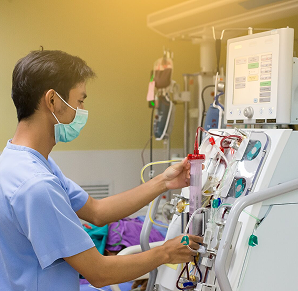
Dialysis is performed under expert monitoring. In hemodialysis, blood is filtered through a dialysis machine and returned to the body. The treatment helps remove toxins, control blood pressure, and balance fluids safely.
Step 01
Vital signs and medical condition are checked before starting dialysis.
Step 02
Dialysis access (fistula/catheter) is connected safely to the machine.
Step 03
Blood is filtered to remove waste, extra salts, and excess fluid from the body.
Step 04
After dialysis, the patient is monitored and guidance is provided for diet and fluid intake.
Dialysis helps patients with kidney failure live a healthier and more stable life by removing toxins and controlling fluid balance effectively.
Removes toxins and waste products from blood
Controls swelling by removing extra fluid
Balances electrolytes like potassium and sodium
Improves overall health and supports daily living
Dialysis schedule is planned as per kidney function and medical advice for best results.
Proper diet, medication, and activity plan helps maintain stable health after dialysis.
Controlled fluid intake and kidney-friendly diet reduces complications and improves comfort.
Dialysis is generally not painful. Some patients may feel mild discomfort at the access site or fatigue after the session.
It depends on the patient’s condition. Many patients require hemodialysis 2–3 times per week, as advised by the doctor.
