
Emergency Blood Pressure Care
Accelerated Hypertension is a condition where blood pressure rises rapidly to very high levels over a short period of time. It can lead to serious complications like stroke, heart failure, kidney damage, and vision problems if not treated urgently. Early diagnosis and immediate medical management are critical to prevent organ damage.
Medical emergency requiring quick treatment
Prevents organ damage with timely care
Requires monitoring of heart, brain & kidneys
Controlled BP plan reduces recurrence risk
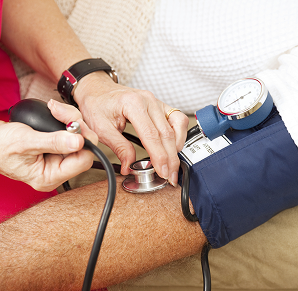
Accelerated hypertension can develop suddenly and may not always show symptoms. However, if blood pressure remains very high with warning signs, urgent treatment is needed to avoid damage to vital organs like brain, heart, kidneys, and eyes.
Intense headache, dizziness, or confusion due to very high blood pressure.
Vision changes may occur due to pressure-related damage in the retina.
High BP can strain the heart causing chest discomfort or shortness of breath.
Sudden weakness, nausea, or vomiting may occur with dangerously high BP.
Treatment focuses on safely lowering blood pressure in a controlled manner. Doctors may use medications, monitoring, and investigations to check organ function and prevent complications. Sudden drastic BP lowering is avoided unless required, to protect brain and heart circulation.
Step 01
Blood pressure is rechecked and confirmed using correct technique and monitoring.
Step 02
Tests for heart, kidney, brain, and eye involvement are done to assess damage risk.
Step 03
BP-lowering medicines are given as per condition and monitored closely for response.
Step 04
Lifestyle advice, medication plan, and follow-up schedule help prevent recurrence.
Early management of accelerated hypertension helps prevent life-threatening complications and improves long-term outcomes.
Prevents stroke and brain-related complications
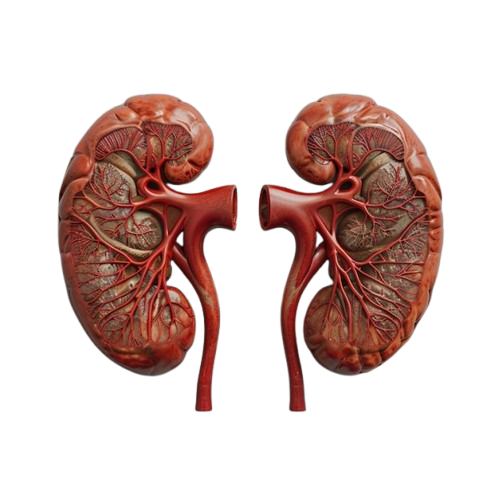
Protects kidneys from sudden worsening of function
Reduces heart strain and lowers risk of heart failure
Improves safety with controlled BP reduction
Some patients may require hospital monitoring to stabilize BP safely.
Low-salt diet, weight control, exercise, and stress management support BP control.
Taking BP medicines on time and regular follow-up prevents future BP spikes.
Yes. It can cause damage to vital organs like brain, heart, kidneys, and eyes if not treated urgently.
Recheck BP after resting, avoid panic, and seek emergency medical help if symptoms like chest pain, headache, or breathlessness occur.
